Health & Emergency
Get help in minutes, not hours.
An AI-powered emergency health grid connecting people in distress to verified first responders, ambulances, hospitals and healthcare facilities. Life-saving intervention within minutes, wherever the grid is operating.
The problem
In most emerging markets, an emergency call can take an hour to reach a responder, if it reaches one at all. The minutes between a stroke, an accident or a complication and the arrival of help are the minutes that decide outcomes — and most people do not have them.
RapidAid is the missing grid: a verified, decentralised network of community responders, ambulances and healthcare facilities, coordinated by an AI assistant that triages, guides, dispatches and stays on the line until human help arrives.
What it does
8 capabilities, built around intent.
One-tap SOS
Activate an emergency alert instantly. GPS capture is automatic; the AI assistant responds immediately with guidance.
AI emergency assistant
Real-time voice and text triage, classification and step-by-step first-aid instructions in multiple languages.
Verified responder network
Proximity-based matching with Red Cross, national emergency agencies and community-trained responders. Verified, never anonymous.
Community-first network
Trained volunteer responders in every neighbourhood. Decentralised by design, so help is local before it is institutional.
Live GPS tracking
Real-time location sharing between the caller, the responder and the facility. ETA and route shown live.
Healthcare directory
Connected hospitals, clinics, pharmacies, labs and doctors in one searchable network.
Case coordination
Prevents duplicate responses. Multi-responder coordination. Documentation and follow-up built in.
Secure and compliant
Encrypted in transit and at rest. Every responder and facility verified. Personal data handled to local standards in every territory we operate in — NDPR, POPIA, GDPR and equivalents.
How it works
One conceptual picture, not an architecture diagram.
One-tap SOS
Activate an emergency alert instantly. GPS capture is automatic; the AI assistant responds immediately with guidance.
AI emergency assistant
Real-time voice and text triage, classification and step-by-step first-aid instructions in multiple languages.
Verified responder network
Proximity-based matching with Red Cross, national emergency agencies and community-trained responders. Verified, never anonymous.
+5 more capabilities below
Who it's for
Citizens and families
Anyone who could be in distress: a parent at home, a commuter on the road, a child at school.
Verified first responders
Red Cross, national emergency agencies, off-duty medics and community-trained volunteers who can reach a scene in minutes.
Hospitals and ambulances
Healthcare facilities and transport providers that need to be reachable when seconds count.
Governments and emergency agencies
Public-sector partners coordinating emergency response at city, state and national level.
Impact
A response time of ten minutes or less, in every neighbourhood we operate in. The first ten minutes of an emergency become minutes that count, because someone trained, verified and nearby is reached the instant the alert is raised.
Where it's used
Real settings, real people.
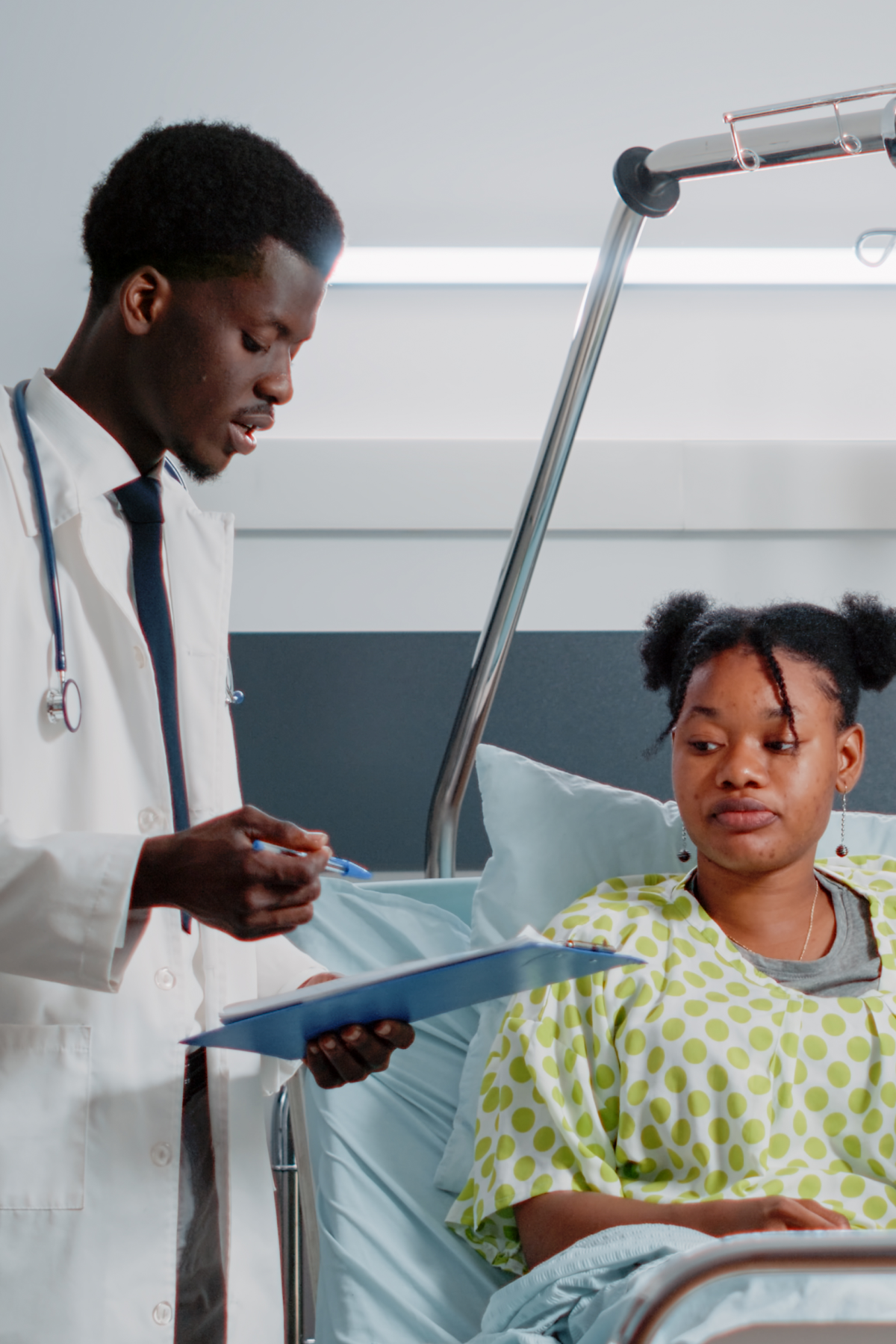
From an emergency to a verified responder in minutes
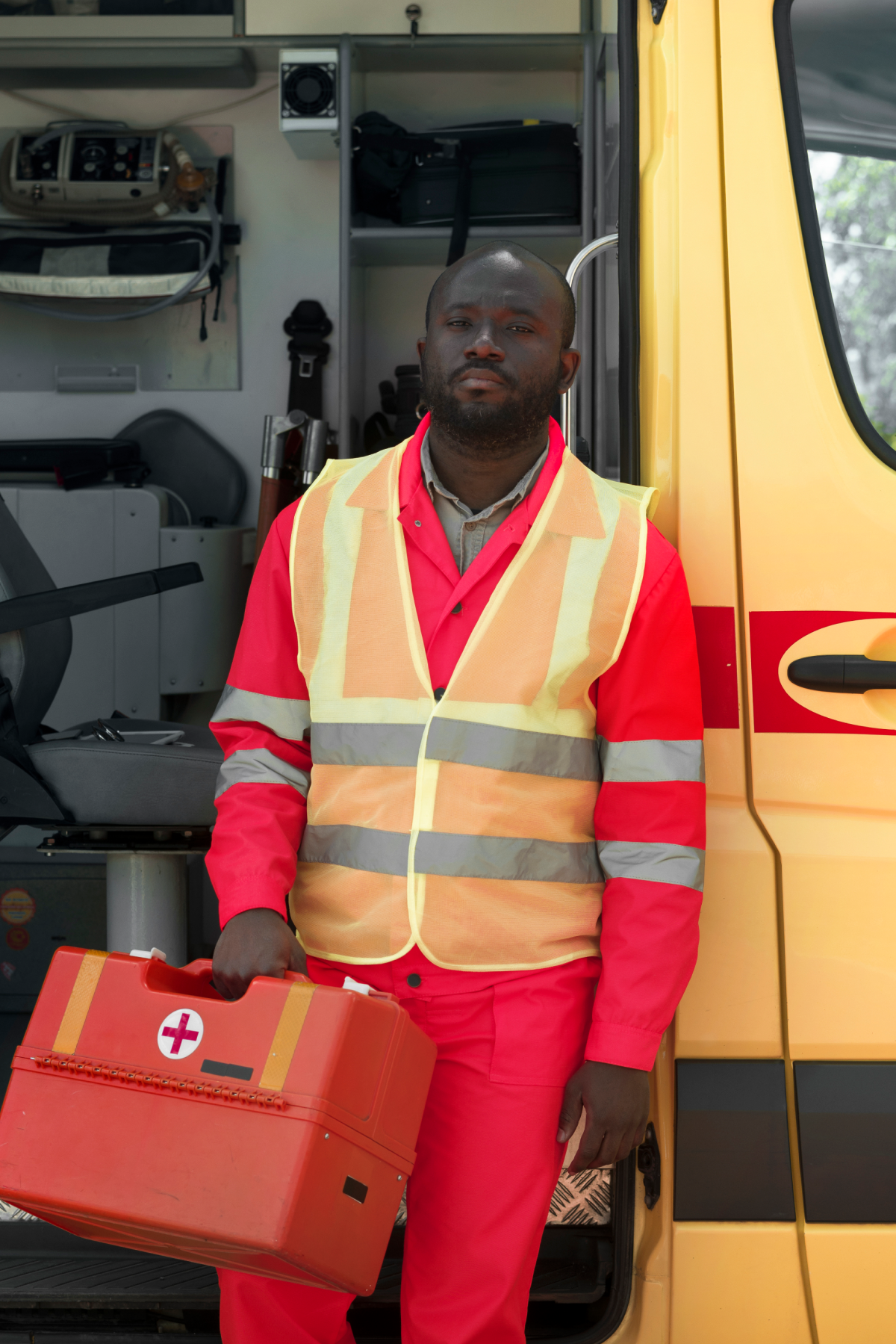
Red Cross, national agencies and community-trained volunteers
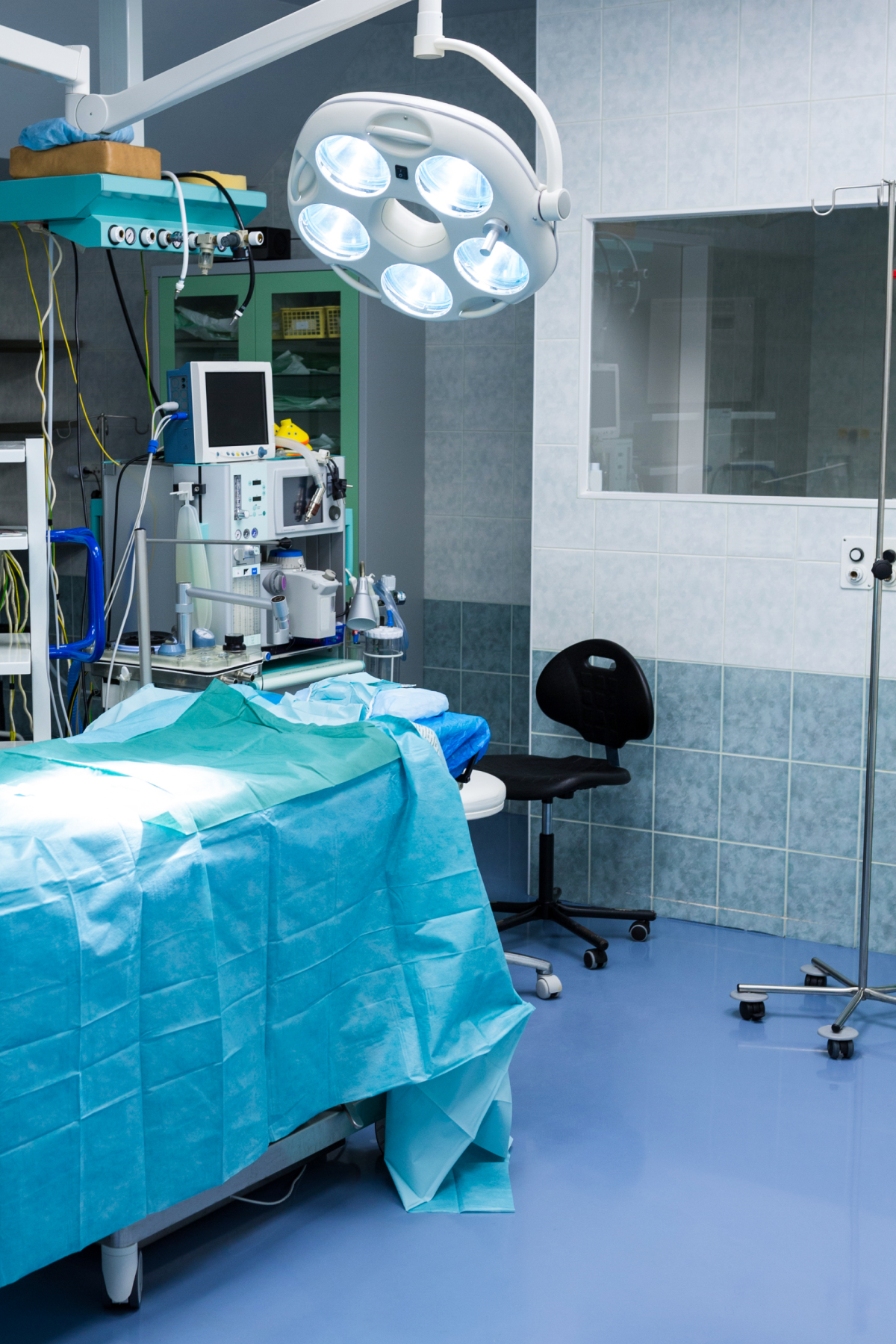
Hospitals, ambulances and pharmacies on one grid
Get RapidAid.
We respond to serious enquiries within two working days.